Slab leak signs and repair — what every Florida homeowner needs to know
Five symptoms that mean it's a slab leak. The three repair paths and what each costs. Insurance documentation patterns that get approved.
Blog, FL Leak Repair Services means fast dispatch and a technician who has seen this exact problem before. That is what sets Blog, FL Leak Repair Services apart from a general handyman call.
We write the kind of articles we wish existed before we started doing this. Pipe-material identification guides that distinguish PEX-A from PEX-B in three sentences. Insurance documentation walk-throughs adjusters actually accept. Cost ranges with the variables that change them. Detection-technology breakdowns without the marketing fluff. Every article is signed by the technician who wrote it and dated, because plumbing best-practices and Florida insurance rules both change.
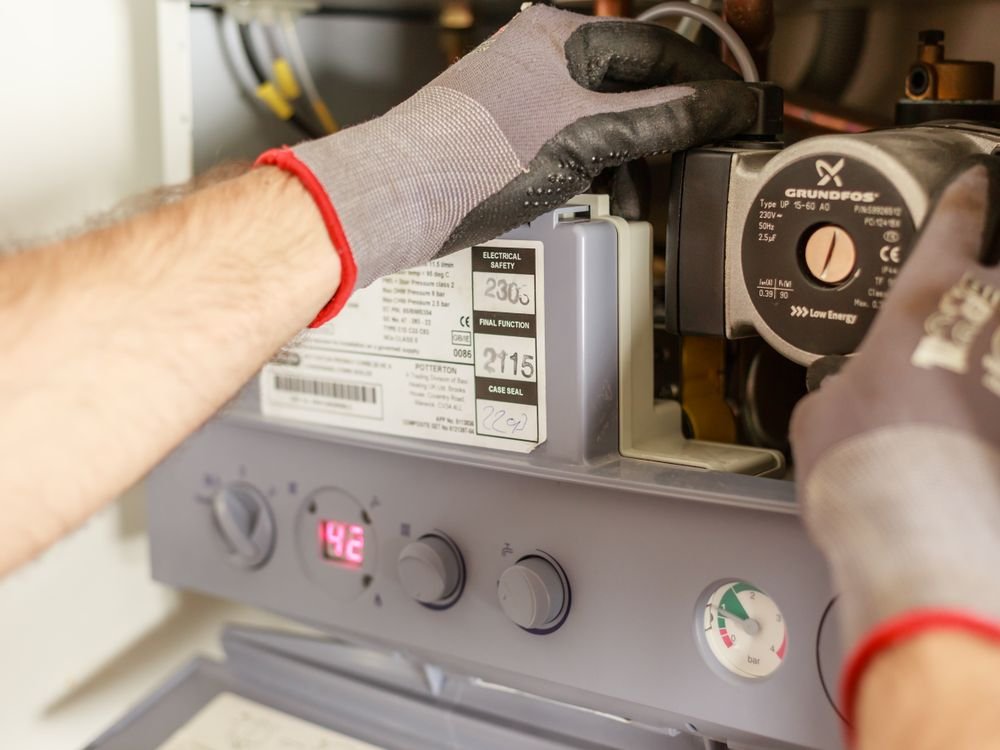
Licensed, insured Florida technicians locate the leak at its source and repair it with a workmanship warranty on every job.
Florida's housing stock is roughly 85% slab-on-grade. The supply lines running through that concrete were typically installed between 1965 and 1995 and are now reaching the end of their design life. This is the field guide to the symptoms, the repair options (spot · reroute · repipe), and the insurance documentation pattern that actually gets adjuster approval.
Find the article that matches your situation — or call the dispatcher for a phone diagnosis instead.
Florida's most common high-stakes leak. Diagnostic methodology, three repair paths, when each makes sense, what to expect on the invoice, insurance angle.
8 articles plannedThe Cox v. Shell class action explained. How to identify polybutylene in your home. PEX-A vs PEX-B for repipes. CPVC failure modes Florida-specific.
6 articles plannedHO-3 coverage decoded. Sudden & accidental vs wear-and-tear. Cause-of-loss documentation. Buried service-line riders. The claim package format adjusters accept on first review.
7 articles plannedAcoustic listening explained. Thermal imaging applications. Tracer-gas chemistry. When pressure isolation is enough. Smart-sensor product reviews (Flo · Phyn · Streamlabs).
5 articles plannedThe annual plumbing audit checklist. Hurricane prep for plumbing. Water heater maintenance. Pre-purchase inspection augments. HOA condo coordination tips.
9 articles plannedReal Florida repair price ranges, with the variables that move them. Slab repair vs reroute vs repipe. Trenchless vs open-trench main line. Why "we'll quote on site" doesn't have to mean "we'll guess."
6 articles plannedWhat Florida homeowners can safely DIY (and where the law draws lines). Faucet cartridges, toilet wax seals, washing machine hoses — fine. Sweat-soldering near drywall — not fine.
4 articles plannedPre-purchase plumbing scopes for Florida homes. Polybutylene disclosure obligations. How insurance carriers underwrite older copper homes. Cost-impact on home valuation.
5 articles plannedSinkhole-county slab repairs. Coastal-corrosion replacement specs. Panhandle vs Central FL water chemistry. Keys saltwater service-line installs. The Tampa Bay polybutylene cluster.
7 articles plannedThe three most recent posts. New articles publish on the first of each month.
Five symptoms that mean it's a slab leak. The three repair paths and what each costs. Insurance documentation patterns that get approved.
The DIY diagnostic sequence: meter test, fixture isolation, moisture mapping. When DIY ends and it's time to call in professional diagnostic technology.
Florida-specific cost ranges for each repair path. The math on why repipe sometimes beats a third spot repair. Pipe-material decision tree.
Skip the article hunt — pick the line that matches what's happening at your house.
What separates this knowledge base from typical service-business blog content.
Every article is drafted by a Florida-licensed plumber, reviewed by the operations lead, fact-checked for FL building code accuracy, and dated. We update articles when codes change, when new materials enter the market, or when our own field experience contradicts what we previously wrote.
What you won't find here: AI-generated filler, content recycled from national plumbing blogs, articles written for keyword density instead of substance. Every page is Florida-specific.
Common questions about content. For service questions, call (888) 616-9423.
First of each month, minimum one new article. Existing articles get revision-updated whenever Florida building code changes, new materials hit the market, or our field experience contradicts what we previously wrote. Revision dates are noted at the top of every article.
The ranges we publish are based on actual jobs we've completed across Florida in the last 24 months. Variables that change pricing are always called out (depth, soil type, pipe material, access difficulty). For an actual quote on your specific job, call dispatch — phone diagnosis is free.
No. Every article is written internally by Florida-licensed technicians on our team. We don't accept guest posts, paid placements, or affiliate content. If we mention a specific product (Flo by Moen, ProPress, Uponor PEX-A), it's because we use it on actual jobs — not because we're sponsored.
Two options. (a) Call dispatch — we field phone diagnostic questions every day at no charge. (b) Email us with the question; if it's a genuinely common question that lacks coverage, it becomes the next month's article. We've added 18 articles this way since starting the knowledge base.
Honestly, partially. Diagnostic technology, repair methods, and material chemistry are universal. But Florida-specific elements (slab-on-grade prevalence, polybutylene density, HO-3 insurance specifics, hurricane considerations, sinkhole geology) are weighted heavily in everything we write. Northeast or West Coast readers will get value but should cross-check local code and insurance details.
RSS feed is available at /blog/feed.xml. Email subscription form coming soon (we don't currently maintain a mailing list — we add it once we have the moderation bandwidth to do it right). Most readers bookmark the blog hub or check on the first of the month.
Same-day appointments across Florida, flat-rate quotes in writing, and no "while we’re here" upsells.
Phone diagnosis is always free. Diagnosis is included with every repair. One license-holder dispatcher away from a real answer.
Leak Repair Florida keeps Blog, FL Leak Repair Services appointments open 24/7 for exactly this reason. Blog, FL Leak Repair Services means licensed, insured technicians — no subcontractors, ever.