Licensed specialists
Service Areas done right the first time
Licensed, insured Florida technicians locate the leak at its source and repair it with a workmanship warranty on every job.
(407) 469-7996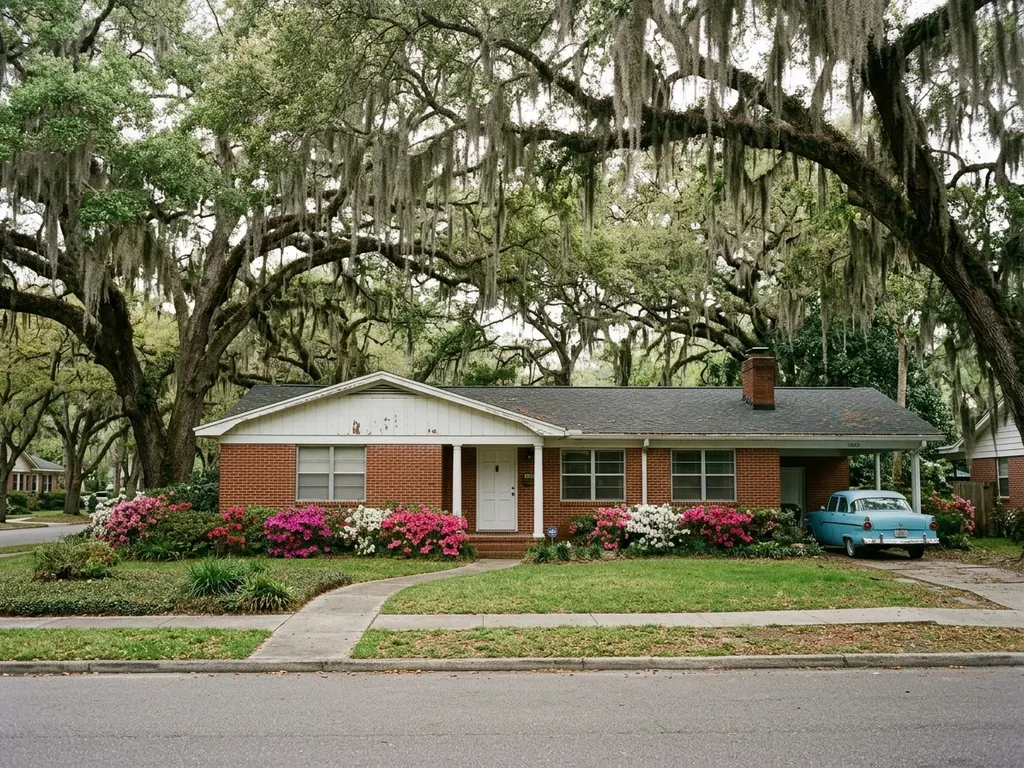
Licensed& Insured
Florida is not one market. The slab leak pattern in a 1985 Cape Coral tract home is different from the polybutylene cluster in a 1989 Pasco County subdivision, which is different from the coastal-salt corrosion eating through copper in a Naples condo. We organize coverage by eight distinct regions, each with its own leak profile, response window, and the technicians who specialize in it. Find your city below — or call dispatch and tell us your ZIP.
Licensed, insured Florida technicians locate the leak at its source and repair it with a workmanship warranty on every job.
(407) 469-7996
Each region has a regional dispatch hub, region-specialist technicians, and a response window calibrated to driving time.
Construction era, soil chemistry, salt exposure, and aquifer geology vary dramatically across the state. Our regional specialists know what fails where.
The post-1965 tract-home belt of Florida. Slab construction with in-slab copper supply lines. Hard well water inside, acidic soil outside, 30–50 year design life with most homes now in failure window.
Florida had the heaviest polybutylene installation in the U.S. between 1978 and 1995. The Cox v. Shell class action settled $1B confirming systematic failure.
Limestone bedrock geology causes slow foundation movement. Rigid copper or CPVC supply lines crack from ground shift even when the pipe itself is healthy. Slab leaks here are mechanical, not corrosion-driven.
Salt air accelerates copper, brass fitting, and steel corrosion. Coastal Florida homes burn through plumbing in roughly half the time of inland equivalents. Replacement specs differ — we use HDPE for service lines, brass-free fittings interior.
Pensacola, Destin, Panama City, Tallahassee corridors plus rural Big Bend. Service line failures dominate (older galvanized + early copper). Hurricane-season call surges. Saltwater intrusion on Gulf coast strip.
Counties: Escambia · Santa Rosa · Okaloosa · Walton · Holmes · Washington · Jackson · Bay · Gulf · Calhoun · Liberty · Franklin · Wakulla · Leon · Jefferson · Gadsden · Madison · Taylor
Jacksonville metro + St. Augustine + Gainesville + 16 rural North Florida counties. Mix of pre-1960 housing stock (Type L copper, galvanized) and tract subdivision growth from the 1990s onward.
Counties: Duval · St. Johns · Clay · Nassau · Putnam · Flagler · Alachua · Bradford · Union · Baker · Columbia · Suwannee · Hamilton · Lafayette · Dixie · Gilchrist · Levy
The I-4 corridor + Brevard space coast + Marion + Polk + Lake. Densest slab-leak grid in Florida — the post-1965 tract belt with hard water and aging copper. Highest density of polybutylene homes also here.
Counties: Orange · Seminole · Osceola · Volusia · Brevard · Polk · Lake · Sumter · Marion · Hardee · Highlands
Tampa, St. Pete, Clearwater metros plus Manatee + Sarasota + Pasco + Hernando + Citrus. Sinkhole counties (Pasco, Hernando) drive the highest mechanical slab-shift failure rates in the state.
Counties: Hillsborough · Pinellas · Pasco · Hernando · Citrus · Manatee · Sarasota
Fort Myers, Naples, Cape Coral, Sanibel + inland Glades. Highest pool ownership rate in the state. Coastal saltwater intrusion + heavy CPVC use in tract construction = active service line + interior repair market.
Counties: Lee · Collier · Charlotte · Hendry · Glades · DeSoto
Vero Beach, Port St. Lucie, Stuart corridor + inland Okeechobee. Atlantic-coast salt corrosion, retirement housing density, and pool plumbing leaks make up most call volume.
Counties: Indian River · St. Lucie · Martin · Okeechobee
Miami-Dade, Broward, Palm Beach — the densest metro and highest call volume region. Coastal corrosion + multi-family condo plumbing + heavy insurance-claim documentation work.
Counties: Miami-Dade · Broward · Palm Beach
The US-1 corridor from Key Largo to Key West. Coastal salt corrosion is the dominant failure driver — we replace with HDPE service lines and brass-free interior fittings as a regional standard.
Counties: Monroe
Common questions about regional dispatch, pricing, and coverage. Call (407) 469-7996 if your city or question isn't listed.
Service rates are statewide flat-rate. Travel charges apply only for rural Panhandle counties and the Florida Keys (which add an honest mileage line based on distance from the nearest dispatch hub). Every quote is itemized in writing before work begins.
Eight regional dispatch hubs with technician teams assigned to each. A call from Pensacola goes to a Panhandle truck. A call from Doral goes to a Southeast Florida truck. We're not driving from Orlando to Key West for every job — regional staffing is how we make response times realistic.
If you have a Florida ZIP code, we serve you. Unincorporated communities, retirement villages, and smaller localities are included under the nearest incorporated city's coverage. Call dispatch with your ZIP and we'll confirm response window.
Geography. The Panhandle spans 200 miles east-to-west; the Keys are a 113-mile chain. Dispatch hubs in Pensacola, Tallahassee, and Marathon cover their territory, but driving time is honest — we tell you 2–4 hours instead of pretending we'll be there in 60 minutes.
Yes — every region. We file HOA-compliant repair documents, work with property managers on after-hours scheduling, and have insurance-grade reporting standardized across the state.
We dispatch through prep windows and resume the moment storm conditions allow. We don't drive in active wind warnings (over ~50mph). Emergency calls queued through landfall get prioritized post-storm. All eight regions plan their post-hurricane response calendars in advance.
Same-day appointments across Florida, flat-rate quotes in writing, and no "while we’re here" upsells.
Call (407) 469-7996Eight regional dispatch hubs. Florida-licensed technicians staffed locally. Real response windows, not marketing numbers.