For Leak Repair in Cape Coral, FL, one licensed crew handles the detection, the repair and the clean-up, and documents the job for your insurer.
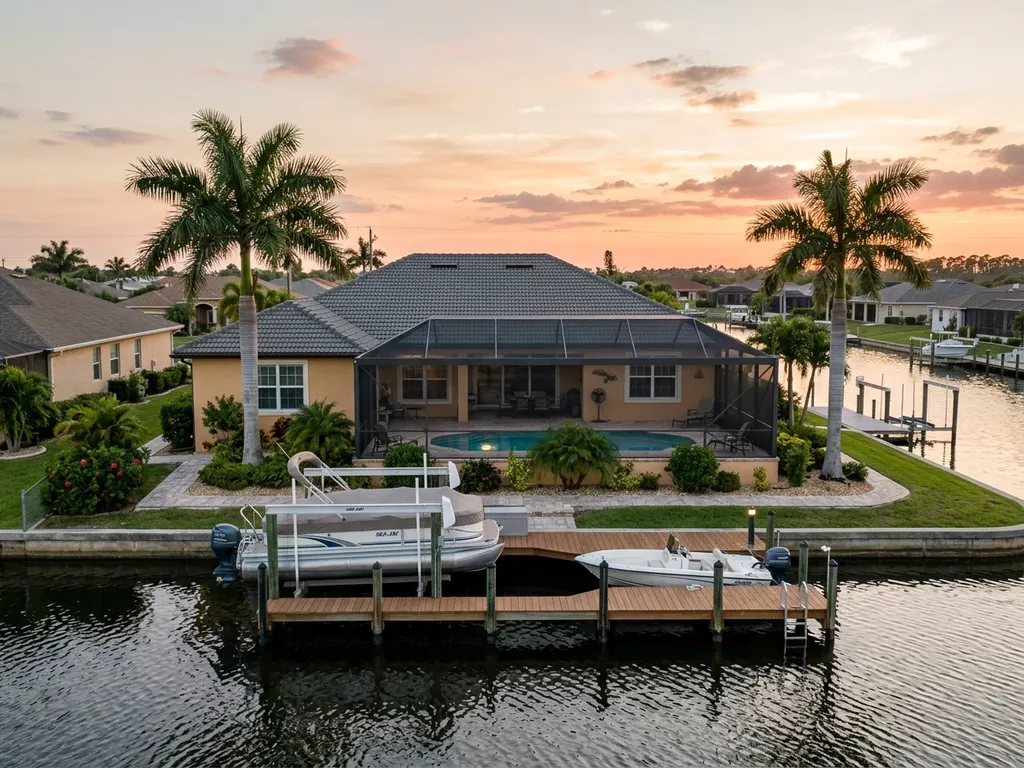
Cape Coral has more navigable canals than any other city on Earth — over 400 miles of them weaving through what was, in 1957, a sparsely populated peninsula across the Caloosahatchee River from Fort Myers. Today it's the largest city by area in Southwest Florida, with most of its housing stock built between 1980 and 2010 — meaning the polybutylene cluster, CPVC tract belt, and earliest PEX installations are all here in significant numbers. We dispatch from the Southwest Florida hub with same-day metro response across Cape Coral and Lee County.
Most canal-fronted city on the planet. Post-2000 construction era dominant. Hurricane rebuild zone.
Acoustic and thermal detection means a targeted repair, accurate documentation, and a claim packet your adjuster accepts.
(407) 469-7996
Tap any card for full service details. All six dispatch from the Southwest Florida regional hub.
Slab pinpoint with sandy-soil-aware diagnostics. Most Cape homes post-1985, so failure patterns differ from older FL cities.
Learn moreLive Lee County dispatch. 60–90 minute Cape metro response. Same flat-rate 24/7. Hurricane-season priority response.
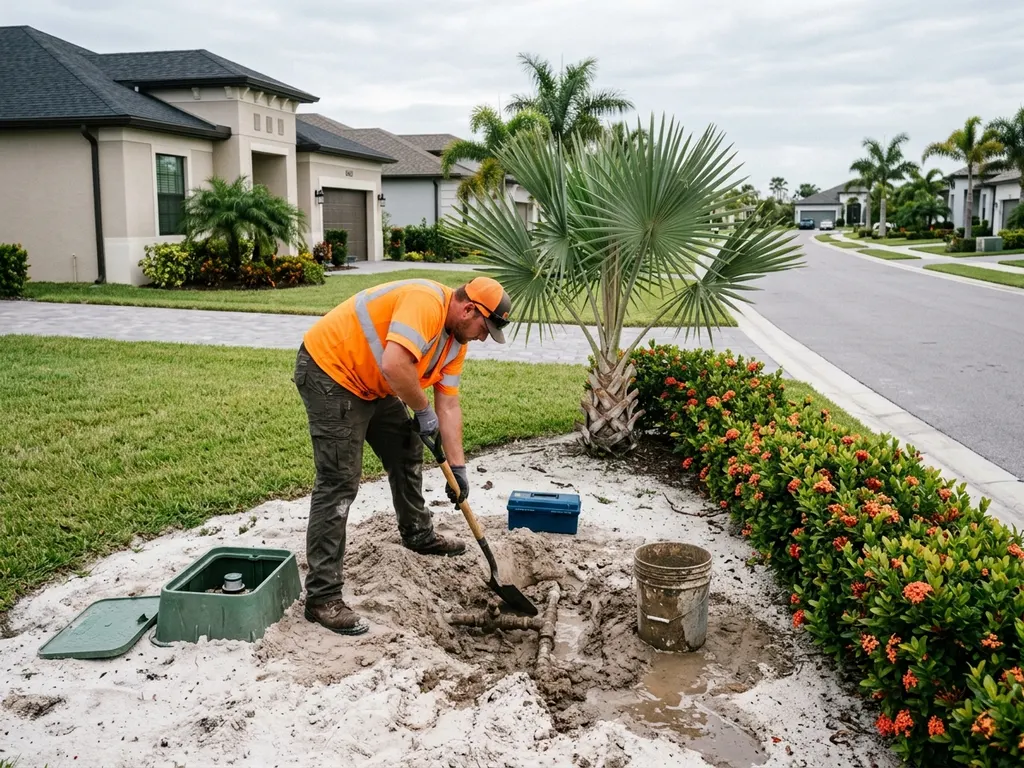
Learn moreHDPE section repair for coastal-corrosion service lines. Sandy soil makes open-trench efficient; trenchless preferred for mature landscaping.
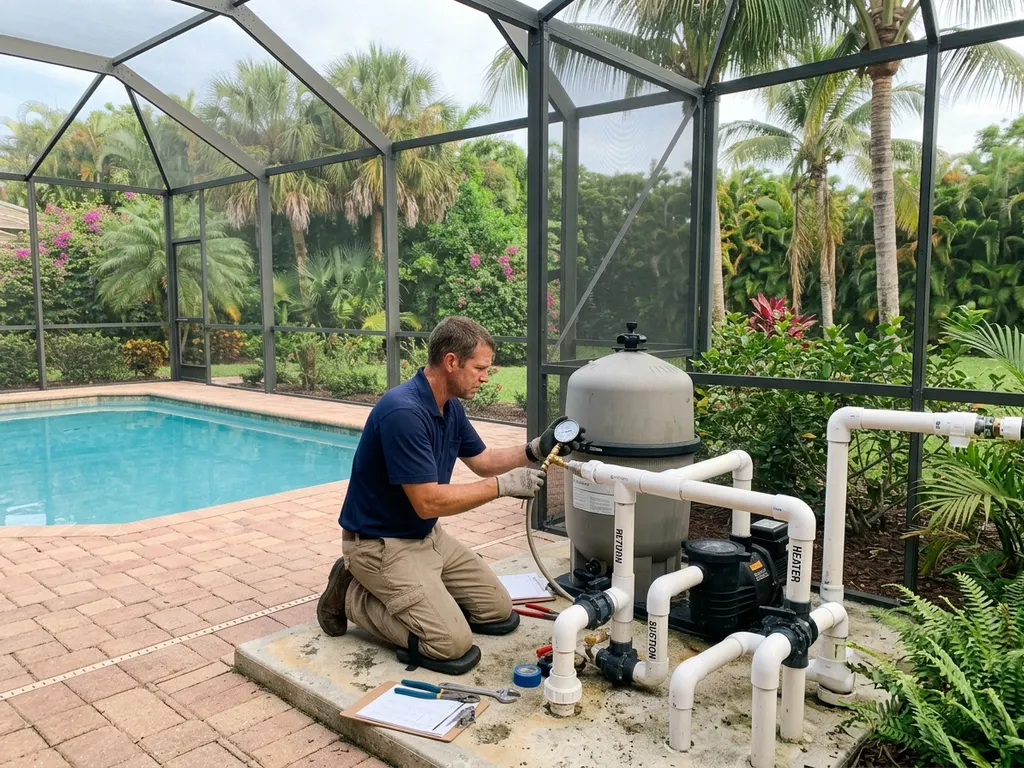
Learn moreLine-by-line pressure testing, underwater fitting reseals and buried-line repair — no draining where it can be avoided.
Learn moreRelief valve, drain valve and connection repairs.
Learn moreCape Coral's young housing stock, planned-community grid layout, canal density, and post-Ian rebuild context combine into a profile that's unlike anywhere else in Florida.
Cape Coral has more navigable canals than Venice, Italy, or Fort Lauderdale, or any other city on the planet. The Cape's 400+ miles of dredged saltwater and freshwater canals reach into nearly every neighborhood. Brackish groundwater pressure on buried service lines is the highest in our coverage area. Salt-air corrosion on canal-side exterior fittings runs 2x to 3x inland Florida. Dockside plumbing (boat slip wash-down, lift-side hose bibs, slip-side electrical-adjacent water lines) needs marine-grade specs as default.
Hurricane Ian (September 2022) caused Category 4 damage to large portions of Cape Coral and Lee County. Storm-surge-affected homes saw forced rewiring and replumbing as insurance claims were processed. Many homes still on the rebuild track in 2024–25. We coordinate with rebuild contractors, FEMA documentation requirements, and Lee County permit office on hurricane-recovery jobs.
The Cape Coral construction boom from the mid-1980s through mid-1990s coincided exactly with peak polybutylene installation. Many tract sections in northern Cape Coral and Pelican Boulevard area have polybutylene supply. Class-action context (Cox v. Shell, 1995) applies — failure is documented and systematic. Insurance carriers increasingly flag these homes.
Roughly 42% of Cape Coral single-family homes have a pool — the highest rate in our Southwest Florida service area. Pool plumbing (return lines, suction sides, equipment pad fittings, light niche seals) generates significant call volume. We carry dye, pressure-test kits, and subaqueous acoustic probes for pool diagnostics. → Bucket test rules out evaporation before plumbing diagnostic.
Cape Coral has been undergoing a multi-year city-wide sewer conversion. Some older sections (built 1960s–80s) are still on septic; newer sections and converted areas are on city sewer. "Drain backup" calls require different diagnostic depending on which system you have — we ask and verify before quoting. → We verify septic-vs-sewer at first contact; route appropriately.
Cape Coral has a significant retiree population, many of them seasonal residents (Northeast and Midwest snowbirds). Vacant-home leak risk during summer months is real — a slow leak running unwatched for 4 months produces enormous damage and water bills.
Cape Coral was planned in 1957 but most of its housing is post-1980. The era distribution skews newer than most Florida cities.
The earliest housing in Cape Coral, mostly small footprint single-family on canal lots. Type L copper supply where original, often replaced over the decades. Septic-system era — many now converted to city sewer. Type L copper → late-life
Major suburban expansion phase. Slab-on-grade construction with mix of Type L copper, Type M copper, and increasing polybutylene installations toward the end of this era. CPVC begins appearing in late-period builds. Mixed copper + PB cluster
The Cape's biggest building boom. CPVC dominant in tract residential. Polybutylene installations continue through mid-1990s. Slab-on-grade construction throughout — sandy soil makes slab pour straightforward. CPVC + remaining PB
PEX-A becomes dominant. Master-planned communities use commercial-grade pipe systems. Most homes from this era are still in original-pipe service life with low failure rates outside of installer-error fitting issues. PEX-A · low failure rate
Post-Ian construction follows current Lee County code: PEX-A supply, modern hurricane-resistant fixtures, code-required emergency shutoffs. Rebuild jobs sometimes complete full system upgrades during reconstruction. PEX-A · post-storm builds
From the Southwest Cape historic core to the Northeast new-construction zones. Same Southwest Florida regional hub.
City of Cape Coral Utilities Department operates water, sewer, and the multi-year UEP (Utilities Expansion Project) converting septic-only areas to municipal sewer.
Cape Coral Utilities owns the meter and the line from the city main to the meter. Homeowner is responsible for everything from meter back into the house. Customer service: 239-574-0815.
Cape Coral's multi-decade Utilities Expansion Project (UEP) is gradually replacing septic systems with municipal sewer across the city. Your assessment status affects what kind of "drain backup" diagnosis applies. Check assessment at capecoral.gov/uep.
Reverse-osmosis treated brackish groundwater plus surficial aquifer. Hardness moderated by treatment but mineralization still present. Disinfectant: chloramine. Coastal proximity and brackish source mean coastal-grade specs are baseline.
Cape Coral has its own building services department (separate from Lee County). Typical permit window: 3–5 business days for residential service-line work. Post-Ian rebuild permits prioritized but still in queue.
Southeast Cape (downtown, Yacht Club, Tarpon Point area): 60–75 minutes from the regional hub. Southwest Cape (Pelican Blvd, Cape Harbour): 60–80 minutes. Northeast Cape (Coral Lakes, Hancock Bridge): 75–90 minutes. Northwest Cape (Burnt Store area, Trafalgar Woods): 75–100 minutes. The Cape is geographically large; we give realistic ETAs.
Yes — many Cape Coral and Fort Myers Beach homes are still on the rebuild track from Ian (September 2022). We coordinate with general contractors, FEMA documentation requirements, Lee County permit office, and insurance carriers.
Canal-front and dockside specs are baseline for us in Cape Coral. Boat-slip wash-down systems, dock-side hose bibs, lift wash systems — all require brass-free marine-grade hardware due to constant saltwater exposure. Service-line work near seawalls coordinates with seawall structural inspection where applicable.
Depends on your specific address. Cape Coral's Utilities Expansion Project (UEP) has been converting septic-only areas to municipal sewer in phases. Check your assessment status at capecoral.gov/uep. Diagnosis of drain-side issues differs significantly between septic and sewer — we verify on first contact.
Spot repair: $1,600–$3,600. Reroute through walls/attic: $2,700–$5,700. Permit fees through Cape Coral Building Services included.
A real person answers, a licensed technician is dispatched, and you get photos, moisture readings and an itemized invoice.
Call (407) 469-7996Southwest Florida regional hub. Marine-grade specs default. Insurance-ready documentation on every job.
Credentials on request before we start
In writing on every completed repair
A person answers — no call center queue
No variation without your sign-off
Figures drawn from our own completed work in Cape Coral, not national averages.
| Cape Coral repairs in 24mo | ~410 |
| Canal frontage citywide | 400 mi |
| Pool-equipped properties | 42% |
| County | Lee County |
Ready to book Leak Repair in Cape Coral, FL? Call Leak Repair Florida now for fast, licensed dispatch. Leak Repair in Cape Coral, FL includes upfront pricing with no surprise charges.